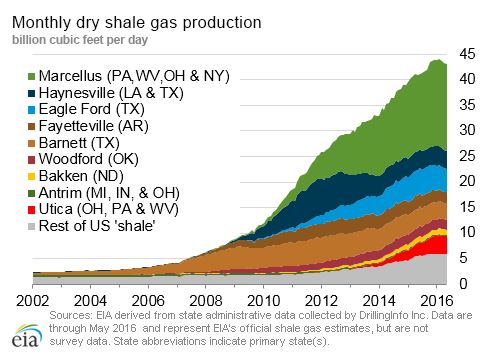
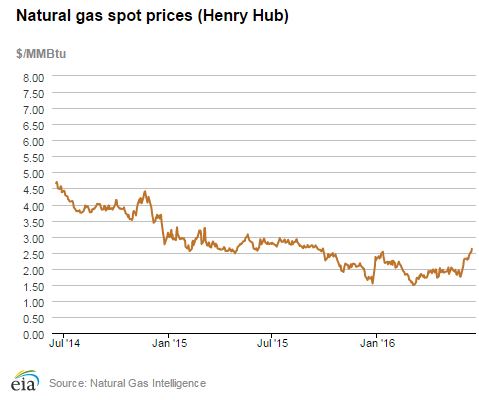
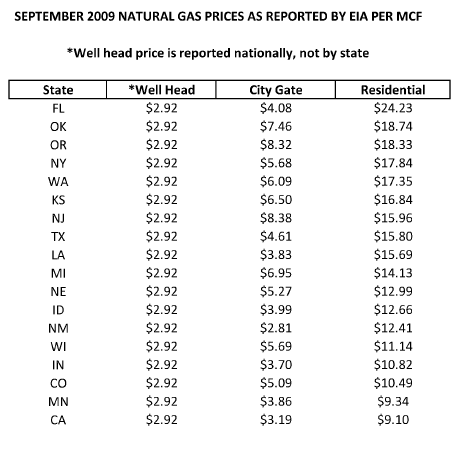
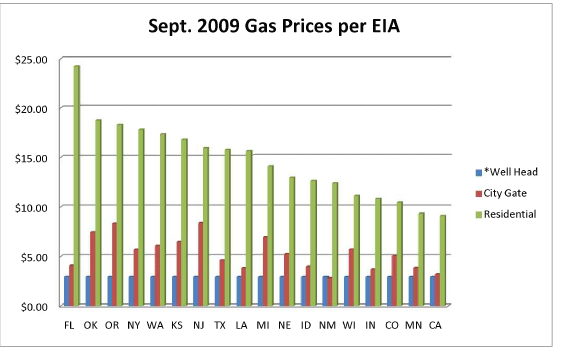
Arthur Berman, a geological consultant, has once again blasted the economics of gas shale plays — this time the Marcellus. At the annual conference sponsored by the Association for the Study of Peak Oil & Gas – USA, held on October 7-9 in Washington, D.C., Mr. Berman made a presentation: “Shale Gas–Abundance or Mirage? Why the Marcellus Shale Will Disappoint Expectations.” His power-point from that presentation may be found here: Arthur Berman on Marcellus.pdf Mr. Berman argues that only a small percentage of the areas now being touted as productive in shale plays — the “core areas” are economic at any price; that even within the core areas, performance is not uniform and the geology is complex; that the wells are very expensive and the break-even gas price is as high as $8-$12/mcf; that reserves have been overstated by the companies in the plays; that the industry is not properly estimating estimated ultimate recoveries from the wells; that changes in reporting rules recently adopted by the Securities and Exchange Commission allow companies to “book” estimated reserves prematurely; and that the economies of the plays will ultimately be reflected in lower share prices of the companies participating in the plays.
For the Marcellus in particular, Mr. Berman asserts that infrastructure limitations — lack of pipeline and gas processing capacity — will slow development, that environmental issues — fears about groundwater contamination, proximity to urban areas, and regulatory restraints — will not go away, and that economics for drilling in the Marcellus Shale are no better than in the Barnett Shale. Mr. Berman says that shale gas is the nation’s next speculative bubble likely to burst.
Mr. Berman created a stir just a year ago when he published a similar gloomy analysis of the Barnett Shale, at the ASPO conference in October 2009. At that time he was a contributor to a trade publication called World Oil, which is sent free to top oil & gas E&P executives. In early November 2009, World Oil was about to publish another article by Mr. Berman critical of shale plays, but the president of the publication ordered that it not be published. Mr. Berman resigned, and his editor Perry Fischer, who insisted that the article be published, was fired. All of this created a stir in the blogosphere. Fischer contended that World Oil executives were pressured by CEOs of two public E&P companies not to publish any more of Mr. Berman’s critiques. Tudor Holt & Pickering, who analyze the oil and gas industry, published a critique of Mr. Berman’s analysis, and two oil executives from Devon and Chesapeake wrote newspaper op ed pieces critical of his work. Chesapeake CEO Aubrey McClendon said at the time that he expected gas prices to continue to rise, which would lead to an increase in drilling and production in the shale plays. “We think all of the elements are in place for gas prices to be higher in 2010 than they are today,” McClendon said.
 Oil and Gas Lawyer Blog